
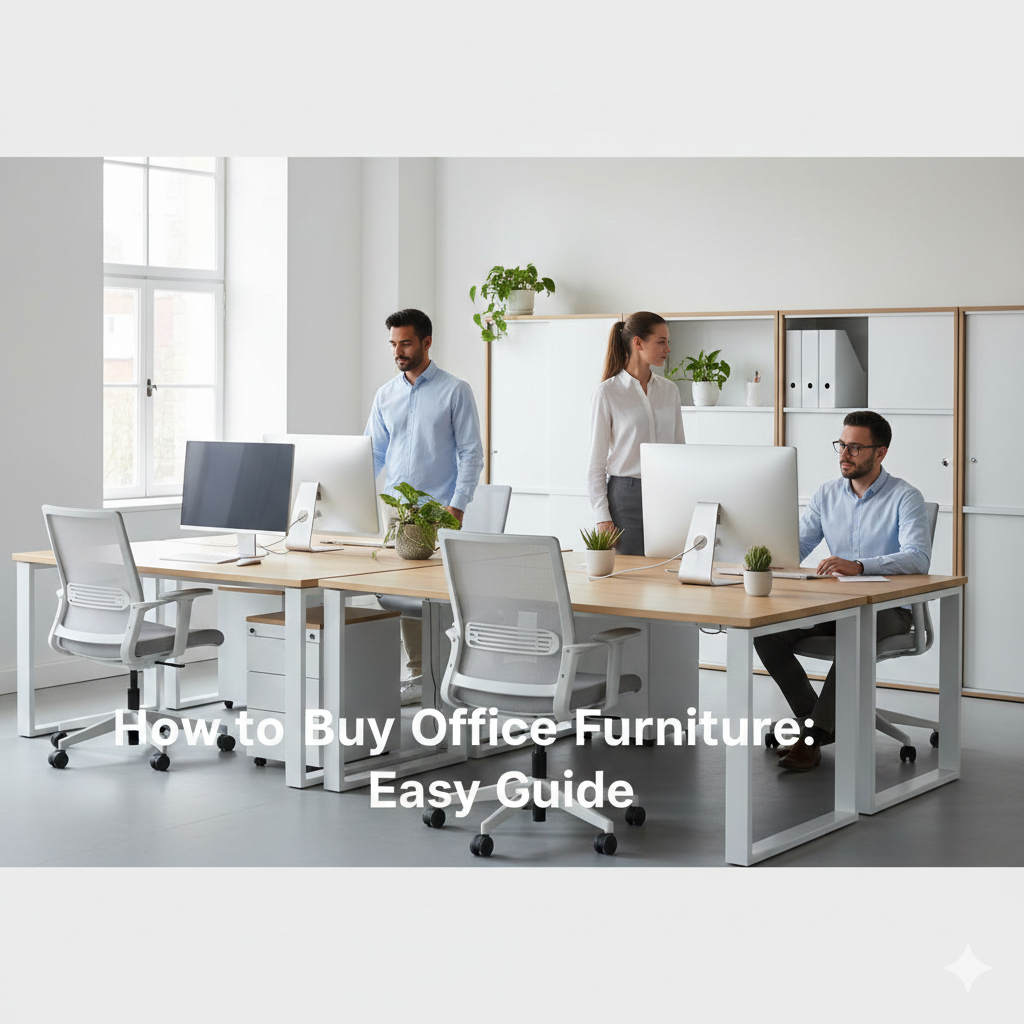
Buying office furniture is more than just picking desks and chairs that look good. The right furniture enhances productivity, improves comfort, and reflects the professionalism of your workspace. With so many options available, choosing pieces that suit your office size, style, and budget can feel overwhelming.
Understanding the essentials before you shop can save time, money, and frustration. From ergonomic chairs to functional desks and storage solutions, selecting the right furniture creates a productive and welcoming work environment. This guide will walk you through everything you need to make informed choices.
What to Consider Before Buying Office Furniture
Before purchasing office furniture, consider your office’s space, layout, and functionality. Measure your rooms carefully and determine how many employees or workstations will be accommodated. This ensures that furniture fits comfortably without overcrowding the space.
Another key factor is your office style and brand image. Modern, minimalist, or traditional furniture sets different tones and affects employees’ productivity and client impressions. Selecting furniture that aligns with your workspace’s aesthetic creates a cohesive, professional environment.
Why Investing in the Right Office Furniture Matters
Investing in quality office furniture is crucial for comfort, efficiency, and employee satisfaction. Poor-quality furniture can lead to discomfort, reduced productivity, and higher long-term costs due to frequent replacements.
Functional furniture enhances workflow by providing proper storage, ergonomic support, and organized workspaces. Below, we’ll explore four key factors to consider to make the right choice when buying office furniture.
Key Factors to Consider When Buying Office Furniture
1. Ergonomics and Comfort
Ergonomic furniture supports posture, reduces strain, and improves overall employee health. Chairs with adjustable height, lumbar support, and proper cushioning help prevent back pain and fatigue.
Desks should allow comfortable legroom, correct screen positioning, and ample workspace. Ergonomic setups lead to better focus, efficiency, and workplace satisfaction for all employees.
2. Durability and Material Quality
High-quality furniture is an investment that lasts longer and withstands daily use. Solid wood, metal, and high-grade laminates are preferred for desks and storage units due to their sturdiness.
Check for strong joints, smooth finishes, and durable hardware to avoid frequent repairs or replacements. Durable furniture ensures consistent functionality and reduces long-term costs.
3. Space Planning and Functionality
Consider the layout and workflow of your office before buying. Multi-purpose desks, modular storage, and movable partitions help optimize available space.
Functional furniture supports collaboration and personal work while minimizing clutter. Proper planning prevents cramped work areas and promotes an organized, efficient office environment.
4. Style and Aesthetics
Office furniture should align with your company’s brand image and style. Modern, minimalist designs convey professionalism, while traditional styles offer a classic, elegant look.
Color schemes, materials, and finishes should coordinate with walls, flooring, and decor. Aesthetic consistency enhances client impressions and creates a motivating atmosphere for employees.
Tips for Choosing the Right Office Furniture
Choosing the right office furniture involves balancing comfort, functionality, and design. Test chairs and desks before purchase to ensure they meet ergonomic and quality standards.
Consider future growth and adaptability of the office when selecting pieces. Investing in versatile furniture allows adjustments as your team expands or workflows change, saving costs in the long run.
Common Mistakes to Avoid When Buying Office Furniture
Many businesses make mistakes when buying office furniture that reduce efficiency and satisfaction. One common error is focusing only on appearance, neglecting comfort and durability.
Another mistake is ignoring ergonomics, which can lead to employee discomfort and health issues. Lastly, failing to plan for office layout and storage needs can cause overcrowding and inefficiency. Avoiding these mistakes ensures a functional and comfortable office.
Finally, some companies overlook budget planning purchasing cheap furniture that requires frequent replacements. Proper research and prioritization of quality over short-term cost guarantees long-term satisfaction and savings.
Conclusion
Selecting the right office furniture is a crucial step for creating a productive, comfortable, and professional workspace. By considering ergonomics, durability, functionality, and aesthetics, you can make informed choices that benefit both employees and clients.
Proper planning and investment in quality furniture lead to long-term efficiency, better workplace morale, and a visually appealing office. Following this guide ensures you choose office furniture that enhances productivity and creates a positive work environment.